
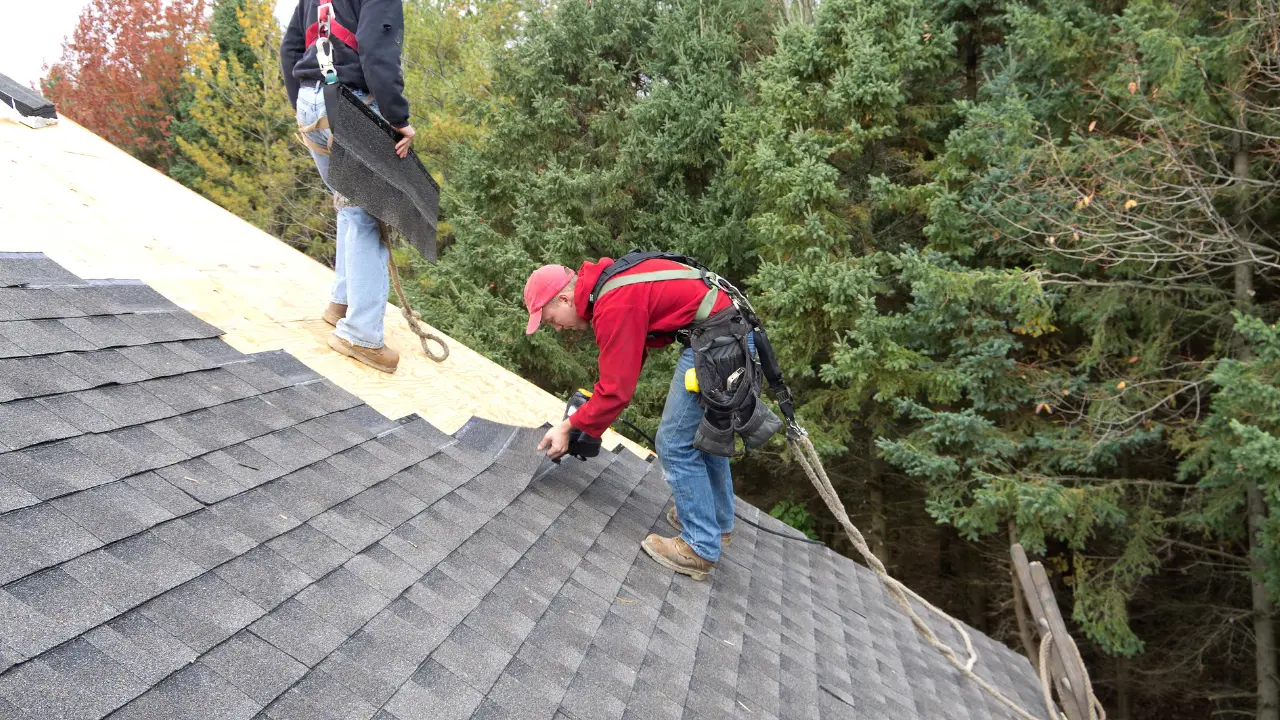
If you want an accurate roofing estimate, the first step is measuring the roof properly. Pricing is usually built around roof area, not just the floor size of the house.
That is why many homeowners get confused when a roof quote looks higher than expected. A house footprint and a roof surface are not the same thing, especially when pitch, overhangs, hips, and valleys are involved.
A realistic budget starts with the true roof size, then applies local rates, material choice, labour factors, and project extras.
How to Measure a Roof for Pricing?
The simplest way to measure a roof for pricing is to calculate the area of each roof section, adjust for pitch, and then add a small allowance for waste. This gives you a more practical measurement for quoting materials and labour.
A working formula is: Roof Price Measurement = Total Roof Surface Area + Waste Allowance. Once you know the adjusted roof area, you can apply a price per square metre based on the roofing system being quoted.
Step 1: Start with the Building Footprint
Begin by measuring the length and width of the building at ground level. This gives you the basic footprint, which is useful as a starting point but not the final roofing area.
For a simple rectangular house, the footprint is length multiplied by width. If the structure has extensions, porches, garages, or different roof sections, measure each part separately.
This stage helps you build the framework for the estimate. However, roofing prices are based on the roof surface above the structure, so the next steps are where accuracy improves.
Step 2: Include Eaves and Overhangs
Do not measure only the inside walls or the exact footprint of the rooms. Roofs usually extend beyond the walls through eaves and overhangs, and those extra edges add measurable area.
When measuring for pricing, include the full edge of the roof surface, not just the building below it. Missing the overhang is one of the most common reasons a roofing estimate ends up too low.
Step 3: Break the Roof into Simple Shapes
Most roofs are easier to measure when you divide them into simple sections such as rectangles, triangles, or trapezoids. This makes it easier to work through complex roofs without losing accuracy.
For example, a main roof plane can be measured as a rectangle, while a gable end may create a triangular section. Hips, dormers, lean-tos, and extensions should be measured as separate parts and added together.
This approach is useful for both roof replacement and new roofing estimates. It also helps you explain the quote clearly to a homeowner or contractor.
Step 4: Measure Roof Pitch
Pitch is one of the most important factors in roof measurement. A pitched roof has more surface area than a flat roof covering the same footprint.
A common method is to measure the rise over a 12-inch run, then use a pitch correction factor or slope multiplier. Owens Corning explains that the roof plane area is multiplied by a correction factor to get the actual roof area.
This is why a steep roof usually costs more to price and install. It has more surface area and often requires slower, more careful labour.
Step 5: Calculate Each Roof Plane Area
Once you know the dimensions of each section and the pitch, calculate the plane area for every roof face. For a rectangle, multiply the measured length by width.
Then apply the pitch adjustment to convert that flat measurement into true roof surface area. Repeat the process for all sections and add them together for the total roof area.
This total is far more useful for roofing pricing than a rough guess based on property size alone. It gives a more realistic basis for material quantity, labour planning, and calculator estimates.
Step 6: Add Valleys, Ridges, Flashings, and Complexity
Roof pricing is not just about square metres. A roof with many valleys, ridges, hips, skylights, chimneys, or junctions usually costs more because it needs more cutting, finishing, and waterproof detailing.
That means two roofs with the same measured area can still receive different quotes. One may be simple and fast to install, while the other may require much more labour and material handling.
For pricing, it helps to note these roof features during measurement. Even if they are not priced separately in a basic calculator, they influence the installed rate per square metre.
Step 7: Include a Waste Allowance
Roofing materials are not installed with zero waste. Cuts around edges, valleys, penetrations, and layout patterns usually create offcuts, so a practical quote needs a waste allowance.
The exact allowance depends on the roof shape and the material. Simple roofs normally create less waste than complex roof designs with many corners and intersections. This is another reason accurate measurement matters for pricing.
Step 8: Use Aerial, Satellite, or On-Roof Verification
Modern roofing estimates are not always done with manual tape measurements alone. Roofing professionals also use satellite images, aerial maps, drones, photos, or video to estimate roof size and slope.
These tools can speed up the quotation process, especially for preliminary estimates. Even so, final pricing may still need on-site confirmation where access, damage, and structure details are unclear.
Why Accurate Roof Measurement Matters for South African Pricing
In South Africa, roofing estimates are commonly discussed in price-per-square-metre terms, so the measurement process directly affects the final budget. If the area is wrong, the quote can be too low or unrealistically high.
That is why a local calculator should measure more than just building size. It should reflect roof pitch, usable roof area, complexity, and other real project variables that contractors use when preparing quotes.
Conclusion
To measure a roof for pricing, start with the footprint, include overhangs, divide the roof into sections, measure pitch, convert each plane into true roof area, and add a sensible waste allowance. That process produces a much stronger estimate than guessing from floor size alone.
Once the measurement is accurate, pricing becomes more reliable because you can apply local roofing rates to the real surface area. That is the foundation of a useful roofing estimate for South African homeowners and contractors.
FAQs
1. Do roofers measure the house or the actual roof?
Roofers usually measure the actual roof surface, not just the house footprint. That includes pitch and often includes overhangs as well.
2. Why is roof area bigger than floor area?
A roof can be larger than the floor area because of slope, overhangs, hips, valleys, and multiple roof sections.
3. Can I measure a roof from Google Maps or satellite images?
You can use satellite or aerial imagery for an initial estimate, and roofing professionals often do this. Final pricing may still need on-site verification.
4. Does roof pitch affect pricing?
Yes. A steeper roof usually has more surface area and can also increase labour difficulty, which affects the final quote.
5. Why do roofing calculators ask for complexity or roof type?
Because pricing depends on more than area alone. Material choice, roof shape, pitch, and detailing all influence the installed cost.